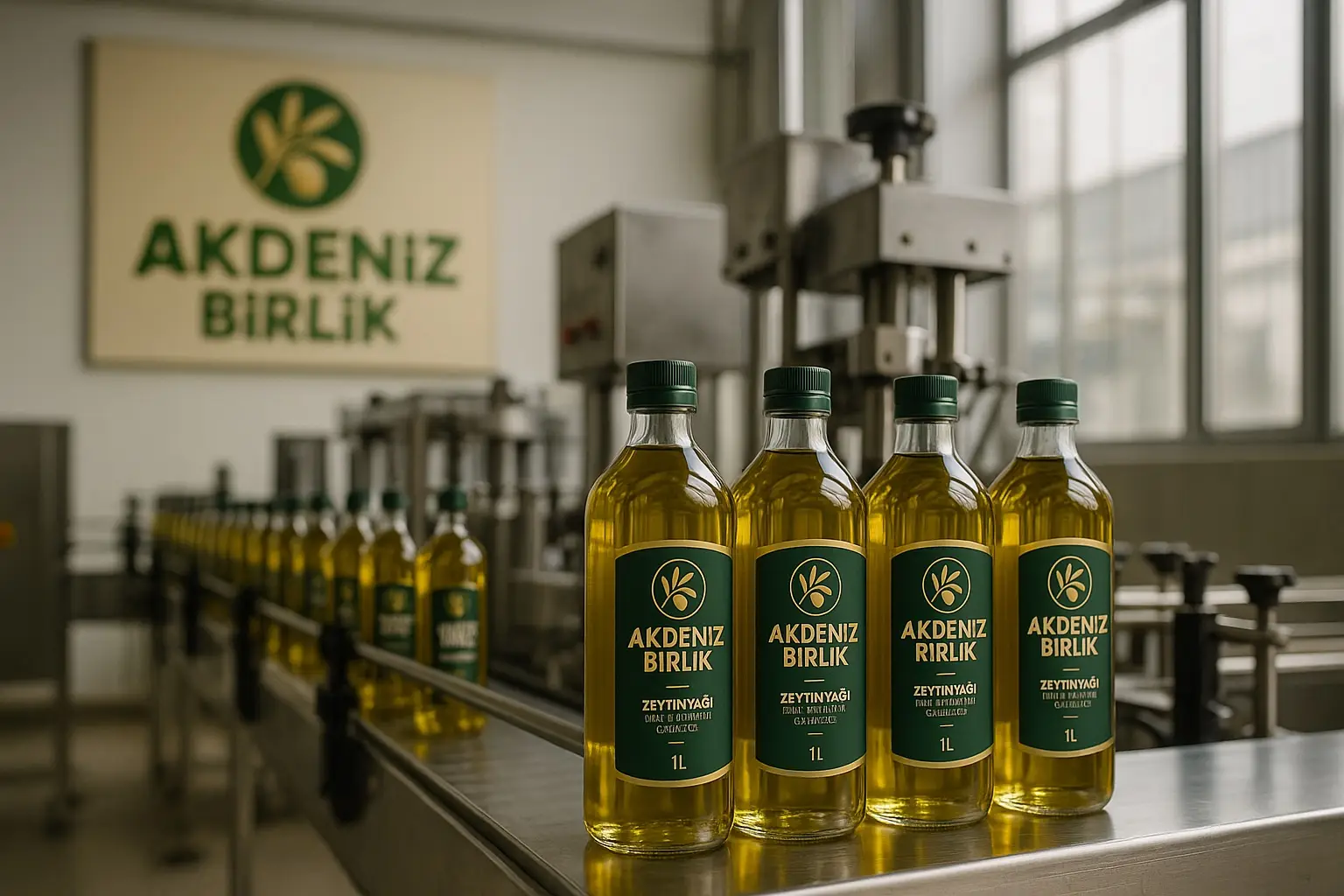
Olive Oil Varieties Guide: Extra Virgin, Virgin & Lampante
1. Extra Virgin Olive Oil (Natürel Sızma)
- Acidity ≤ 0.8 % – Cold-pressed, early harvest.
- Fruity notes: green almond, fresh grass, tomato leaf.
- Best for: Raw consumption, salad dressings, gourmet finishing.
Regional Sources
Orchards in Adana-Kozan (Toros foothills), Osmaniye-Kadirli (Amanos slopes) and coastal Hatay-Samandağ deliver polyphenol-rich extra virgin profiles.
2. Virgin Olive Oil (Natürel Birinci)
- Acidity ≤ 2 % – Balanced taste, smooth finish.
- Light fruitiness with ripe olive tones.
- Best for: Sautéing, light frying, marinades.
Regional Sources
High-altitude olives from Mersin-Mut and mature harvest fruit from Hatay-Dörtyol create the ideal virgin profile.
3. Lampante Oil & Refining
- Acidity > 2 % – Must be refined to reach edible grade.
- Post-refining use: High-heat frying, industrial food production.
Sustainability Note
Our modern refinery recovers lampante via deodorisation and filtration, re-introducing it as “Riviera” or “Refined” grade while minimising waste.
Complete Supply from Mediterranean Provinces
Akdeniz Birlik sources extra virgin, virgin and lampante oils year-round from contract farmers in Osmaniye, Adana, Hatay and Mersin.
- Wholesale: 5 L & 18 L tins, 1000 L IBC.
- Retail: 250 ml-1 L glass bottles.
Why Choose Akdeniz Birlik?
- ISO 22000 + HACCP certified facilities.
- Batch Testing: Free acidity, polyphenols, UV Δ K.
- Nationwide shipping and export.
Place Your Order
Get every olive-oil grade from a single source: fill out the “Contact Us” form on akdenizbirlik.com or call us today.
Related posts
All posts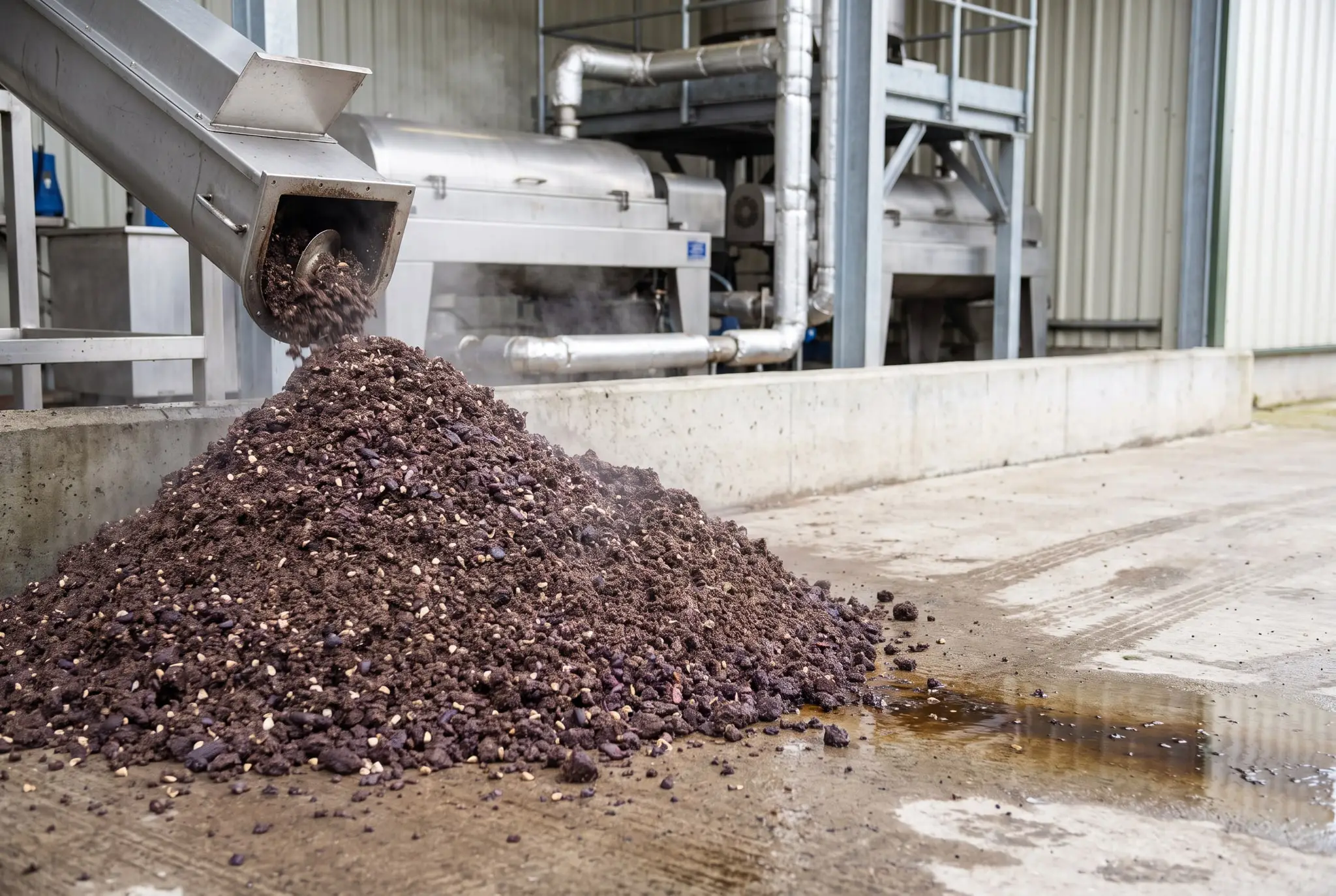
Olive Pomace Oil: What the Lab Numbers Actually Say
Where pomace oil comes from, whether the hexane stays in it, what the PAH, 3-MCPD and mineral-oil limits actually are, how a laboratory tells it from olive oil, and what published frying trials measured.
Read more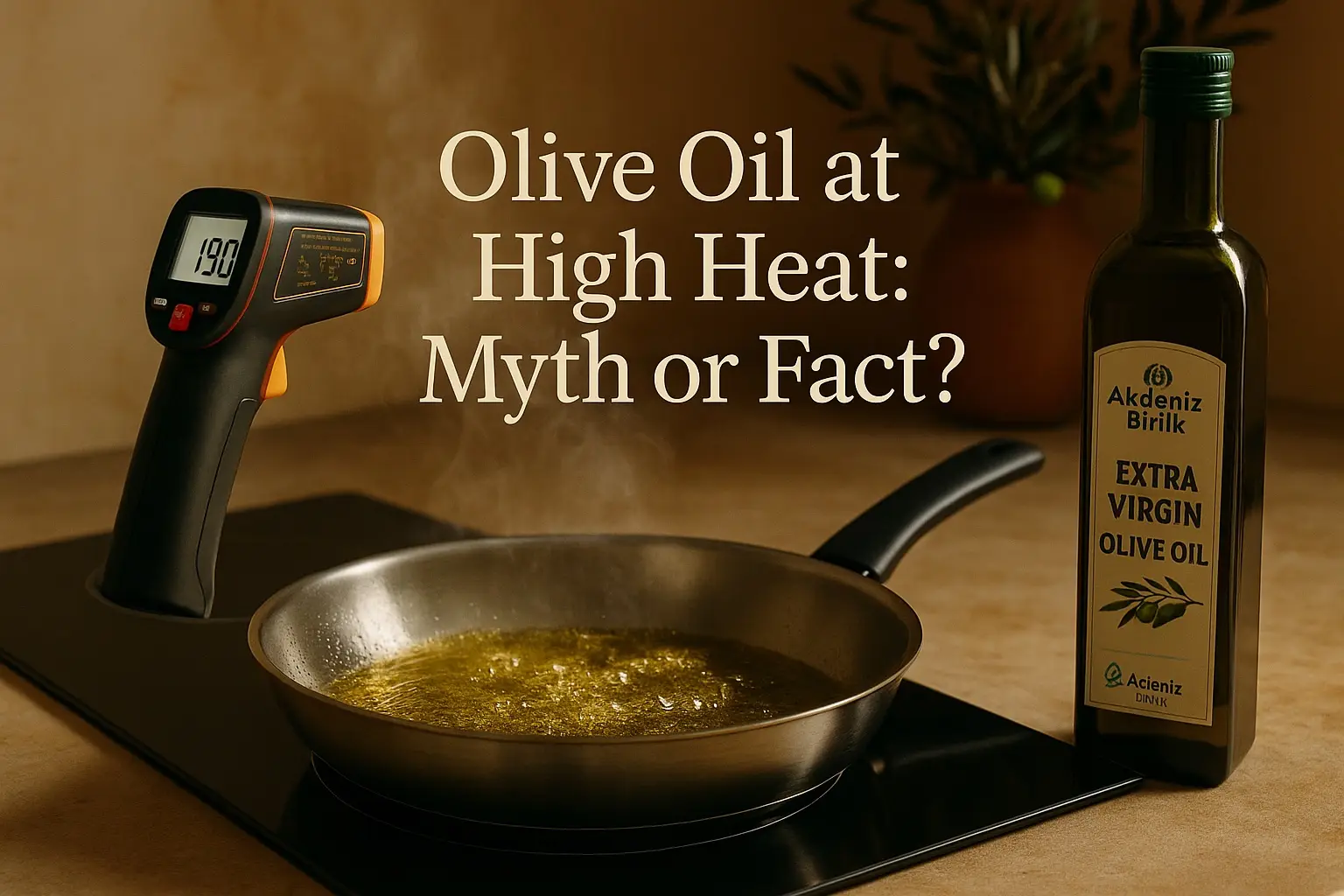
Cooking with Olive Oil at High Heat: Myth or Fact?
Discover the latest research on olive oil’s smoke point, oxidative stability and nutrient retention to see how high-heat cooking affects health and flavour.
Read more